
10 Stunning Black Maine Coon Cats (And What Makes Them So Striking)
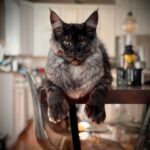
Quick Facts
| Coat color | Solid black, smoke black, or black tabby/tortie variations |
| Rarity | Solid black is less common than brown tabby, the breed’s signature color |
| Average size | 13–18 lbs (males), 8–12 lbs (females) |
| Coat type | Long, water-resistant double coat with a full ruff |
| Recognized by | TICA, CFA (black accepted in multiple pattern classes) |
Why Black Maine Coons Stand Out
Maine Coons are best known for their brown tabby coat — it’s the color most associated with the breed’s rugged, “working cat” origins in New England. A solid or smoke black Maine Coon flips that expectation: the same massive frame, tufted ears, and plumed tail, but rendered in a coat that reads as sleek and dramatic rather than woodland-camouflage. Because it’s a less common color for the breed, black Maine Coons tend to draw a lot of attention, both from breed enthusiasts and from people who don’t usually notice cats.
1–3. The Solid Black Coat, Up Close
A true solid black Maine Coon has no visible pattern — no tabby striping, no white markings — just a uniform black coat from nose to tail tip. In bright light, many solid blacks show a faint “ghost tabby” pattern, a shadowy remnant of striping that’s common in black cats generally and is considered normal, not a fault. The effect is especially striking against the Maine Coon’s naturally luxurious, water-resistant double coat and full neck ruff.
4–6. Black Smoke: The Color That Shifts With Movement
Black smoke Maine Coons look solid black at rest, but the undercoat is actually white or pale silver — so as the cat moves, you catch flashes of lighter color at the roots. It’s one of the more visually dynamic color variants in the breed, especially noticeable when the cat is grooming, stretching, or catching a breeze outdoors.
7–8. Black Tabby and Black Tortie Variations
Black doesn’t always mean solid. Black tabby Maine Coons show the classic swirled or striped tabby pattern in black against a slightly lighter black or dark grey background — a subtler look than the more common brown tabby, but with the same bold markings. Black tortoiseshell females combine black with patches of red or cream, giving each cat a genuinely one-of-a-kind coat pattern.
9–10. Black and White (Bicolor)
Black-and-white Maine Coons, sometimes called “tuxedo” when the white is limited to the chest, paws, and face, pair the drama of a black coat with crisp white accents. The amount and placement of white varies significantly cat to cat, so no two bicolor Maine Coons look quite alike.
What to Know Before Seeking Out a Black Maine Coon
Because black and black-variant coats are less common in the breed than brown tabby, kittens in these colors can carry a premium price and longer waitlists with reputable breeders. Color alone shouldn’t be the deciding factor in choosing a breeder — health testing, temperament, and transparency matter more than coat color, and a breeder who prices heavily based on “rare” colors alone is worth a closer look before committing.
Frequently Asked Questions
Are black Maine Coons rare?
Solid black is less common than the breed’s signature brown tabby coloring, though it’s a recognized and accepted color by major registries like TICA and CFA.
What’s the difference between solid black and black smoke Maine Coons?
A solid black coat is uniform black from root to tip, while a black smoke coat has a white or pale undercoat that shows through as the cat moves, creating a shifting, two-toned effect.
Do black Maine Coons have any different temperament than other colors?
No — coat color doesn’t affect temperament in Maine Coons. Personality varies by individual cat and breeding line, not coat color.
Are black Maine Coons more expensive than other colors?
They can be, since they’re less commonly bred than brown tabby, but pricing varies significantly by breeder, region, and pedigree regardless of color.
2 Responses to 10 Stunning Black Maine Coon Cats (And What Makes Them So Striking)