
British Shorthair Cat: Full Breed Guide
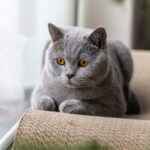
The British Shorthair is one of the most recognizable cat breeds in the world — round-faced, plush-coated, and famous for its calm, easygoing nature. If you’re considering one, here’s what to know about their history, temperament, and care needs.
Quick Facts
| Origin | United Kingdom |
| Coat | Short, dense, “plush” texture |
| Colors | Blue is most iconic; many colors and patterns recognized |
| Build | Round face, stocky, muscular body |
| Weight | 9–18 lbs |
| Lifespan | 12–20 years |
| Temperament | Calm, independent, affectionate but not clingy |
A Brief History of the British Shorthair
The British Shorthair is one of the oldest identifiable cat breeds, tracing back to domestic cats brought to Britain by the Romans nearly 2,000 years ago, which interbred with local cats over centuries into a hardy, stocky working cat. The breed was formally developed and shown starting in the late 1800s, when British breeders began selectively refining the type for cat shows — it was among the first breeds exhibited at England’s earliest organized cat shows in the 1870s. The breed’s popularity dipped sharply during and after both World Wars, when cat breeding was largely paused and numbers dropped low enough that breeders had to outcross with Persians and other breeds to rebuild the population. That history is part of why the modern British Shorthair has a slightly plusher coat and rounder face than its more angular Roman-era ancestors.
Appearance: The Classic “Teddy Bear” Look
The British Shorthair’s defining features are its round face, large round eyes, and short, dense, “plush” coat that stands away from the body slightly, giving it a stuffed-toy appearance many owners describe as “teddy bear”-like. The body is stocky and muscular, with a broad chest and short, thick legs, and the breed carries noticeably more bone and muscle density than its size might initially suggest. While solid blue-grey (sometimes called “British Blue”) is the color most associated with the breed and the one most commonly seen in media and advertising, the British Shorthair is recognized in a very wide range of colors and patterns, including black, white, cream, red, and various tabby and bicolor combinations.
Temperament: What It’s Like to Live With a British Shorthair
British Shorthairs are known for an easygoing, low-drama temperament — they tend to be affectionate without being demanding, content to settle near their people rather than constantly seeking lap time or attention. They’re generally quiet, rarely vocal beyond soft chirps, and adapt well to calm households, including ones with children or other pets, thanks to their tolerant nature. This isn’t a breed that needs constant interactive play to stay content, though like any cat they benefit from regular enrichment, and their independent streak means they’re usually fine being left alone for reasonable stretches during the day.
Health and Common Issues
British Shorthairs are generally a robust, healthy breed, but they are predisposed to a few conditions worth knowing about, including hypertrophic cardiomyopathy (a heart condition also seen in several other breeds), polycystic kidney disease in some lines, and a tendency toward obesity given their calm, less active nature combined with a hearty appetite. Reputable breeders screen for heart and kidney conditions where possible. This article is for general informational purposes only and isn’t a substitute for veterinary advice — any concerns about your cat’s health should be directed to a licensed veterinarian.
Care, Grooming, and Diet
The British Shorthair’s dense coat sheds moderately and benefits from weekly brushing to manage loose fur and reduce hairballs, with more frequent brushing during seasonal shedding periods. Because the breed tends toward a lower activity level and a strong appetite, portion-controlled feeding and regular playtime matter more here than with more naturally active breeds — obesity is one of the more common preventable health issues in this breed. A measured feeding schedule, occasional interactive play to keep them moving, and routine veterinary checkups will cover most of what a British Shorthair needs to thrive.
Choosing a British Shorthair Kitten
Working with a reputable breeder gives you a much clearer picture of a kitten’s health history and temperament than an unverified listing. Ask about screening for heart and kidney conditions, request to see at least one parent cat if possible, and expect a well-bred kitten to be calm, curious, and comfortable with handling by the time it’s ready to go home, typically at 12 weeks or older. Because British Shorthairs mature slowly and don’t reach full size and coat density until around 3 to 5 years old, don’t be surprised if a kitten looks leaner and less “plush” than the adult cats you’ve seen in photos.
Frequently Asked Questions
Are British Shorthairs good with families and other pets?
Yes, generally — their calm, tolerant temperament makes them a good fit for households with children or other pets, though like any cat, proper introductions matter.
Do British Shorthairs need a lot of exercise?
Not as much as more active breeds, but regular play is still important to help manage their tendency toward weight gain.
Why do British Shorthairs look “chubby” or round?
Their round face, stocky build, and dense coat combine to create that classic rounded look, though owners should still watch actual body condition closely, since the breed’s build can mask early weight gain.
How much does a British Shorthair cost?
Pricing varies by breeder, pedigree, and region, but British Shorthair kittens from a reputable breeder commonly range from several hundred to over a thousand dollars, with rare colors or show-quality lines at the higher end.
Is the British Shorthair the same as the “British Blue”?
“British Blue” refers specifically to the solid blue-grey color variation of the breed — all British Blues are British Shorthairs, but not all British Shorthairs are blue.