
British Shorthair Colors & Patterns Guide
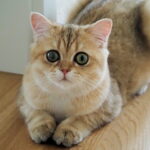
The British Shorthair is best known for its iconic solid blue-grey coat — but that’s just one of many colors and patterns the breed comes in. Here’s a guide to the full range you might encounter.
Quick Facts
| Most iconic color | Blue (British Blue) |
| Solid colors | Blue, black, white, cream, red, chocolate, lilac, fawn |
| Patterns | Tabby, bicolor, tortoiseshell, colorpoint, smoke |
| Eye colors | Vary by coat color — copper, gold, blue, green, or odd-eyed |
The British Blue: Why It’s the Iconic Color
The solid blue-grey coat, often called “British Blue,” is so closely tied to the breed’s identity that many people assume it’s the only color British Shorthairs come in. This association dates back to the breed’s earliest show history in the late 1800s, when blue was the color most consistently bred and exhibited. Blue British Shorthairs typically pair their coat with striking copper or gold eyes, which is part of what gives the color its classic, instantly recognizable look. Despite the strong association, “British Blue” is a color variation of the breed, not a separate breed itself — all British Blues are British Shorthairs, and the two terms are often used interchangeably in casual conversation even though “British Shorthair” is the correct breed name.
Other Solid Colors
Beyond blue, British Shorthairs are recognized in a wide range of solid colors, including black, white, cream, red, chocolate, lilac, and fawn. Solid white British Shorthairs are sometimes born with striking blue eyes, odd eyes (one blue, one another color), or gold eyes, similar to how white coloring affects eye color in several other breeds. Chocolate and lilac are diluted versions of black and blue respectively, and tend to be somewhat less common than the core colors, making them a bit more sought-after among some breeders and owners. Red and cream British Shorthairs have a warmer look than the breed’s cooler blue and grey tones, and are sometimes confused with orange tabby cats of other breeds by owners unfamiliar with the full color range.
Patterns: Tabby, Bicolor, Tortoiseshell, and More
Beyond solid colors, British Shorthairs come in several recognized patterns. Tabby British Shorthairs display the classic striped, spotted, or marbled patterning seen across many cat breeds, layered over any of the base colors. Bicolor cats combine white with another color in patches. Tortoiseshell (“tortie”) is a mottled mix of colors, almost exclusively seen in female cats due to how the color genetics work. Colorpoint British Shorthairs, sometimes informally called “British Shorthair Himalayans,” show a Siamese-style point pattern layered onto the breed’s stockier body type — a less common but recognized variation. Smoke British Shorthairs have a solid-looking coat that reveals a pale, almost white undercoat when the fur is parted or the cat moves, giving a shimmering effect not present in solid or tabby coats.
How Kittens Inherit Their Color
Coat color and pattern in British Shorthairs, as in most cats, are determined by a combination of genes inherited from both parents, which is why kittens in the same litter can sometimes show noticeably different colors even from two solid-colored parents, depending on which recessive genes each parent carries. Breeders who specialize in a particular color, like blue or lilac, typically pair cats with known genetic backgrounds to produce predictable results, while mixed-color litters are more common from less controlled breeding. Kitten coats can also shift slightly in shade during the first year as the adult coat comes in, so a kitten’s exact adult color isn’t always fully set at the time you bring them home.
Frequently Asked Questions
Is British Blue a separate breed?
No — “British Blue” refers specifically to the solid blue-grey color variation of the British Shorthair, not a distinct breed.
What is the rarest British Shorthair color?
Colors like lilac, chocolate, and certain colorpoint or particolor combinations tend to be less commonly seen than blue, black, or standard tabby patterns, though rarity can vary by region and breeder.
Do all British Shorthairs have copper eyes?
No — eye color varies by coat color, with copper and gold most associated with blue and solid darker colors, while white cats can have blue, gold, or odd eyes.
Does coat color affect a British Shorthair’s temperament?
No — coat color and pattern are purely physical traits, and temperament differences come down to the individual cat rather than its color.
Can two British Shorthair parents produce a kitten with a different color?
Yes, this is possible depending on the recessive genes each parent carries, which is why litters from unplanned or mixed-heritage pairings can show more color variety than litters from breeders selectively pairing for a specific color.
2 Responses to British Shorthair Colors & Patterns Guide