
British Shorthair vs. Scottish Fold: Key Differences
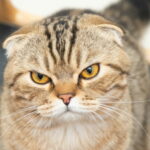
British Shorthair and Scottish Fold cats are frequently confused — and for good reason. They share a round-faced, stocky look, and Scottish Folds are, in fact, genetically descended from British Shorthairs. Here’s how to actually tell them apart, and what else sets them apart beyond looks.
Quick Comparison
| British Shorthair | Scottish Fold | |
| Ears | Small, upright, rounded tips | Folded forward and down (in folded-ear cats) |
| Origin | United Kingdom, ancient lineage | Scotland, 1960s, descended from British Shorthairs |
| Coat | Short, dense, plush | Short or long, similarly dense |
| Known health concern | Obesity, some heart/kidney risk | Osteochondrodysplasia (cartilage/bone disorder tied to the fold gene) |
| Temperament | Calm, independent | Calm, affectionate, often described as more people-oriented |
The Ears: The Easiest Way to Tell Them Apart
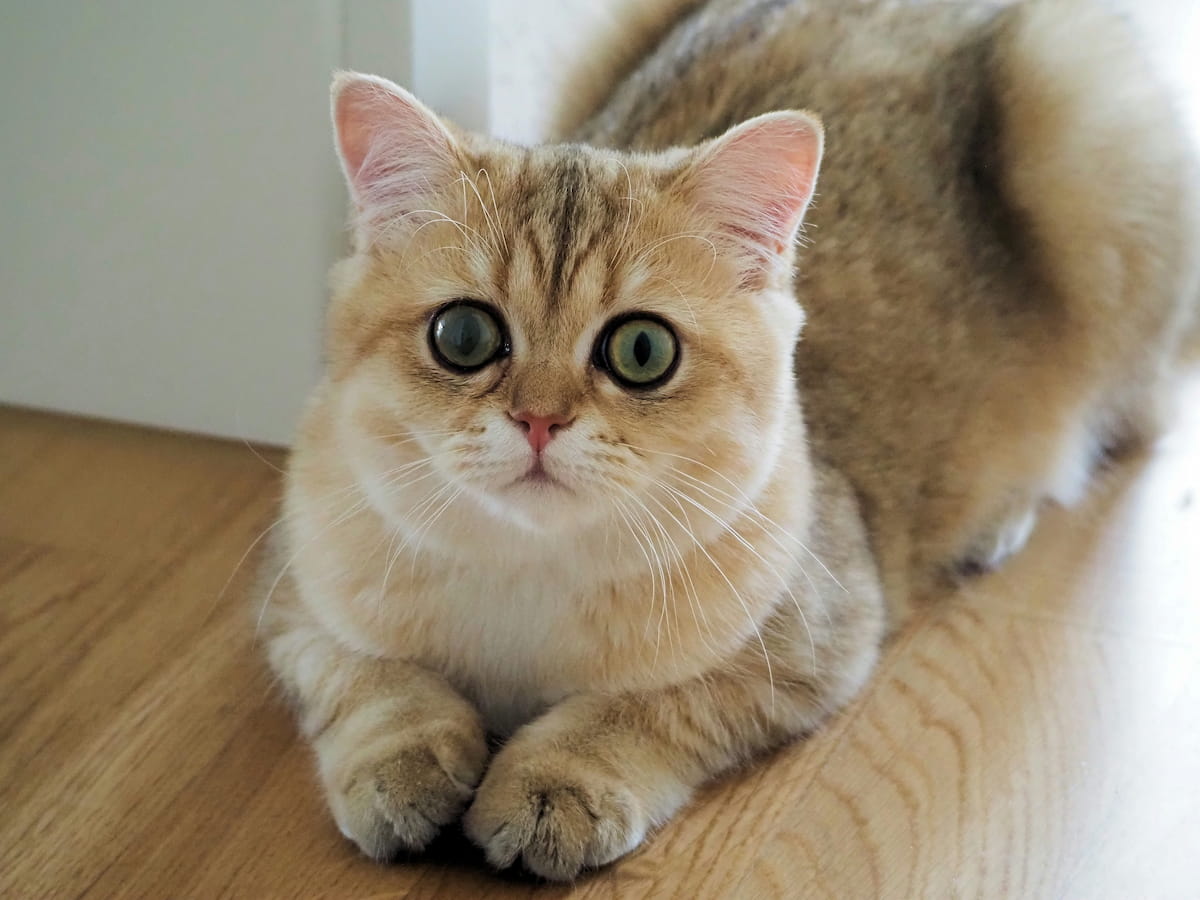
The most immediate visual difference is the ears. British Shorthairs have small, upright ears with rounded tips, set apart on a round head. Scottish Folds are best known for their forward-folded ears, caused by a genetic mutation affecting cartilage — though not every Scottish Fold actually has folded ears; kittens with straight ears from Scottish Fold litters, sometimes called “Scottish Straights,” look extremely similar to British Shorthairs and are one of the more common sources of confusion between the two.
Shared Ancestry: Why They Look So Similar
The resemblance isn’t a coincidence. The Scottish Fold breed originated in Scotland in the 1960s from a single farm cat with a spontaneous ear-fold mutation, and breeders subsequently crossed folded-ear cats with British Shorthairs (among other breeds) to establish and stabilize the new breed’s body type. That shared genetic base is why the two breeds have such similar round faces, stocky builds, and plush coats — the Scottish Fold is, in a real sense, a British Shorthair variant defined primarily by its distinctive ear mutation.
A Serious Health Difference Worth Knowing
This is the most important distinction between the two breeds, not just a cosmetic one. The same gene responsible for the Scottish Fold’s folded ears also affects cartilage development throughout the body, and can cause a painful condition called osteochondrodysplasia, affecting joints and the tail in some cats, particularly those bred from two folded-ear parents. Because of this welfare concern, some countries and major cat registries have restricted or discouraged breeding two folded-ear cats together, and some organizations have raised broader concerns about the ethics of breeding for the fold trait at all. British Shorthairs do not carry this particular risk, since their ear shape is not the product of a cartilage-affecting mutation. This article is for general informational purposes only and isn’t a substitute for veterinary advice — anyone considering a Scottish Fold should research this issue thoroughly and discuss it with a knowledgeable, reputable breeder or veterinarian.
Temperament Differences
Both breeds are generally calm and easygoing, but many owners and breeders describe Scottish Folds as somewhat more overtly affectionate and people-seeking, while British Shorthairs tend toward a more independent, reserved warmth — content nearby rather than constantly seeking contact. Neither difference is absolute, and individual personality varies significantly within both breeds, but it’s a commonly reported distinction worth knowing if temperament is a deciding factor for you.
Which One Should You Choose?
If ear shape and that distinctive folded look are the main draw, and you’re comfortable researching the health considerations carefully and working only with a breeder who prioritizes welfare over appearance, a Scottish Fold may be right for you. If you want the same general look and temperament without the fold-related health risk, a British Shorthair (or even a straight-eared Scottish Straight) offers a very similar experience without that specific concern.
Frequently Asked Questions
Are British Shorthairs and Scottish Folds the same breed?
No — they’re separate breeds, though Scottish Folds share ancestry with British Shorthairs and look similar aside from the ears.
Do all Scottish Folds have folded ears?
No — kittens without the fold mutation, called Scottish Straights, are born in Scottish Fold litters and closely resemble British Shorthairs.
Is it ethical to buy a Scottish Fold?
This is a genuinely debated topic due to the health risks tied to the fold gene; prospective owners should research the issue and, if proceeding, work only with breeders who screen carefully and avoid pairing two folded-ear cats.
Which breed is more expensive?
Pricing varies by breeder and region for both, but Scottish Folds are sometimes priced higher due to demand for the distinctive ear trait, despite the associated health considerations.