
Abyssinian Cat: Full Breed Guide
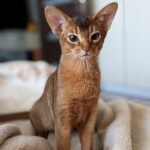
The Abyssinian is one of the oldest known cat breeds, instantly recognizable by its warm, ticked coat and alert, athletic build. Often described as one of the most active and curious cat breeds, here’s what to know before bringing one home.
Quick Facts
| Origin | Debated; likely coastal East Africa or Southeast Asia |
| Coat | Short, fine, “ticked” tabby pattern |
| Colors | Ruddy, red/sorrel, blue, fawn |
| Build | Slender, muscular, athletic |
| Weight | 6–10 lbs |
| Lifespan | 9–15 years |
| Temperament | Highly active, curious, intelligent, people-oriented |
A Brief History of the Abyssinian Cat
The Abyssinian’s true origins are genuinely debated among cat historians. For decades, popular accounts traced the breed to cats brought from Ethiopia (formerly Abyssinia) to England in the 1860s, and the breed’s name reflects that story. However, genetic research has since suggested the breed’s ancestors more likely trace to coastal areas of the Indian Ocean or Southeast Asia, with the “Abyssinia” origin story now considered more legend than confirmed history by many breed historians. Regardless of the exact geographic origin, the breed was developed and standardized in England starting in the late 1800s, and it’s now recognized as one of the oldest established cat breeds shown in competition, having appeared at some of Britain’s earliest organized cat shows.
Appearance: The Ticked Coat
The Abyssinian’s most distinctive feature is its “ticked” tabby coat, where each individual hair carries several bands of alternating color rather than the solid stripes or spots seen in typical tabby patterns. This gives the coat a warm, shimmering, almost iridescent look that shifts subtly depending on the light. The most iconic and widely recognized color is “ruddy” (also called usual), a warm reddish-brown base ticked with black. Other recognized colors include red or sorrel (a warmer, more orange tone), blue (a soft grey-blue), and fawn (a pale, diluted warm tone). Beyond the coat, Abyssinians have a lean, muscular, athletic build, large alert ears, and almond-shaped eyes usually in gold, green, or hazel, giving the breed an overall wild, alert appearance.
Temperament: What It’s Like to Live With an Abyssinian
Abyssinians are widely considered one of the most energetic and active cat breeds, often described by owners as more dog-like than typical cats in their curiosity and engagement with their environment. They’re highly intelligent, drawn to climbing, exploring high vantage points, and investigating anything new in the household, and they tend to bond closely with their people while still maintaining an independent, adventurous streak. This is not a breed suited to owners looking for a low-key lap cat — Abyssinians do best with plenty of vertical space (cat trees, shelving), interactive play, and mental stimulation, and an under-stimulated Abyssinian can become bored or mischievous, getting into things out of sheer curiosity rather than misbehavior.
Health and Common Issues
Abyssinians are generally a hardy breed, but they are predisposed to a handful of hereditary conditions, including progressive retinal atrophy (an inherited eye condition affecting vision over time), pyruvate kinase deficiency (a blood disorder affecting red blood cells), renal amyloidosis (a kidney condition seen more often in this breed than in the general cat population), and a higher-than-average rate of periodontal disease. Reputable breeders screen for these conditions where genetic testing is available. This article is for general informational purposes only and isn’t a substitute for veterinary advice — any concerns about your cat’s health should be directed to a licensed veterinarian.
Care, Grooming, and Diet
The Abyssinian’s short, fine coat is low-maintenance and sheds relatively little, needing only occasional brushing to stay glossy. Given their notably high activity level, this breed benefits from a diet appropriate to an active cat and portion control that accounts for how much they move rather than a one-size-fits-all feeding approach. Because dental issues are a known concern in the breed, regular dental care — brushing, dental treats, or vet-recommended cleanings — is worth prioritizing more than with some other breeds. Enrichment matters as much as diet here: cat trees, puzzle feeders, and regular play sessions go a long way toward keeping an Abyssinian’s mind and body satisfied.
Choosing an Abyssinian Kitten
Working with a reputable breeder gives you a much clearer picture of a kitten’s health history and temperament than an unverified listing. Ask about screening for the hereditary conditions above, especially pyruvate kinase deficiency and PRA where genetic testing exists, and request to meet at least one parent cat if possible to get a sense of adult size and coloring. Given how active and curious this breed is even as kittens, expect an Abyssinian kitten to be noticeably more exploratory and bold than kittens of calmer breeds — a well-socialized Abyssinian kitten should be confident, playful, and eager to investigate its surroundings by the time it’s ready to go home, typically at 12 weeks or older.
Frequently Asked Questions
Are Abyssinian cats good with families and other pets?
Yes, generally — their playful, social nature tends to make them a good fit for active households, though their high energy means they do best with owners prepared for an engaged, interactive cat.
Do Abyssinian cats need a lot of attention?
Yes. They’re highly active and intelligent, and an under-stimulated Abyssinian is more likely to get into mischief out of boredom or curiosity.
What is the difference between an Abyssinian and a Somali cat?
The Somali is essentially the long-haired version of the Abyssinian, sharing the same ticked coat pattern and temperament but carrying a recessive gene for longer fur.
How much does an Abyssinian cat cost?
Pricing varies by breeder, pedigree, and region, but Abyssinian kittens from a reputable breeder commonly range from several hundred to over a thousand dollars, with rarer colors or show-quality lines at the higher end.
Are Abyssinian cats hypoallergenic?
No breed is truly hypoallergenic, but their short, low-shedding coat means some allergy sufferers report fewer reactions than with heavier-shedding breeds — this varies significantly by individual.