
Orange Shirazi Cat: Red, Ginger and Cream Colors Explained
New to the breed? Start with our complete guide to the Shirazi cat, covering origin, care and health.
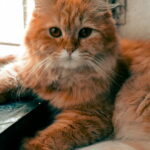
An orange Shirazi cat is a Persian with a warm orange coat, a color that breeders and cat registries officially call red.
It is one of the most requested colors in the breed, and it comes with unusual genetics, a few related shades worth knowing, and one harmless quirk that worries many new owners.
Quick Facts
| Also Known As | Red Persian, Ginger Persian, Orange Persian |
|---|---|
| Official Color Name | Red |
| Eye Color | Copper to deep orange |
| Male or Female | Roughly 3 out of 4 orange cats are male |
| Related Colors | Cream, red tabby, red and white, tortoiseshell, calico |
| Common Quirk | Dark freckles on the nose, lips and eyelids with age |
Orange, Red or Ginger: Which Is Correct?
All three describe the same color. Pet owners say orange or ginger. Breeders and registries say red, so that is the word you will see on pedigree papers and breeder websites.
If you are searching for an orange Shirazi cat, search for “red Persian” as well. Most breeders outside the Middle East list the breed as Persian and the color as red.
Why Most Orange Shirazi Cats Are Male
The gene for orange sits on the X chromosome. A male cat has one X, so a single copy of the gene makes him fully orange.
A female has two X chromosomes and needs the orange gene on both. With only one, she becomes a tortoiseshell or calico, a mix of orange and black patches.
The result is that about three quarters of orange cats are male. Orange females are perfectly healthy and not especially valuable, just less common.
The Shades of an Orange Shirazi Cat
Orange is a family of colors in this breed. These are the ones you are most likely to see offered:
- Solid red: A deep, even orange from root to tip. The ideal is a rich color with no stripes, though it is hard to achieve.
- Red tabby: Orange with clear darker stripes or swirls, and the classic M shape on the forehead.
- Cream: The pale, diluted version of red. A soft buff color, often mistaken for off-white.
- Red and white: Orange patches on a white coat, also called a bicolor.
- Tortoiseshell and calico: Orange mixed with black, with or without white. Nearly always female.
- Flame point: A pale body with orange on the face, ears, legs and tail. This is the pattern of the Himalayan, the pointed variety of the Persian.
Why Stripes Show Through
Every orange cat is genetically a tabby. The gene that hides stripes on a black or blue cat does not work on orange pigment.
That is why even a solid red Shirazi often shows faint stripes on the legs, tail and forehead, especially as a kitten. Breeders call them ghost markings. The long coat blurs them as the cat matures, but they rarely vanish completely.
Faint markings are normal and say nothing about the cat being a mix.
The Freckles Owners Worry About
Many orange cats develop small, flat, dark spots on the nose, lips, gums and eyelid edges, usually starting after the first year. The condition is called lentigo, and it is the feline version of freckles.
Lentigo is harmless and needs no treatment. The spots may grow in number over the years.
Have a vet check any spot that is raised, sore, bleeding or growing quickly, since those are not typical of lentigo.
Keeping an Orange Coat Rich
- Daily combing: Ten to fifteen minutes with a metal comb prevents the mats this breed is prone to.
- Sun fading: Long hours in a sunny window can bleach a red coat to a dull yellow-orange at the tips. Shade during the brightest part of the day helps.
- Tear stains: They show less on orange than on white, but the flat face still causes tear overflow. Wipe the eye area daily with a soft damp cloth.
- Bathing: A bath every 4 to 6 weeks removes the oils that make a long coat look flat and greasy.
Are Orange Shirazi Cats Friendlier?
Orange cats have a reputation for being outgoing and affectionate. Owners report it often, but the evidence is mostly anecdotal.
In this breed, color makes little difference. A Shirazi of any color is calm, quiet and people-focused. Our Shirazi cat temperament article covers what to expect.
Health
The orange color carries no health problems of its own. An orange Shirazi has the same risks as any Persian, including polycystic kidney disease (PKD), breathing difficulty in very flat-faced lines, and eye irritation.
Ask a breeder for PKD DNA results on both parents. The full list of conditions is in our Shirazi cat guide.
Finding and Buying One
Red is a long-established Persian color, so it is not rare and should not carry a large premium. Pedigree and health testing affect the price far more than color does. See our Shirazi cat price breakdown for what to expect.
Before you contact a seller, read our Shirazi cat for sale guide, which covers where to look and the scam warning signs.
Other Shirazi and Persian Colors
If you are still choosing a color, these guides cover the others on the site:
Frequently Asked Questions
Is an orange Shirazi the same as a red Persian?
Yes. Shirazi is the Middle Eastern name for the Persian, and red is the official name for the orange color.
Are orange Shirazi cats always male?
No, but most are. About one in four orange cats is female.
Are orange Shirazi cats rare?
No. Red is a common and long-established color in the breed. Orange females are less common than males.
What are the black spots on my orange cat’s nose?
Most likely lentigo, a harmless freckling common in orange cats. Flat spots are normal. Raised or sore spots should be seen by a vet.
Will my orange kitten’s stripes go away?
They usually fade and blur as the long adult coat grows in, but faint markings on the legs and tail often remain.
Recommended Reading
All About the Shirazi Cat (Persian Longhair)
White Shirazi Cat: Eye Colors, Deafness Risk and Coat Care
Shirazi Cat for Sale: Where to Find One and Avoid Scams
Shirazi Cat Price: What to Expect When Buying or Adopting One
Shirazi Cat Temperament: Is This Gentle Breed Right for Your Home?