
All About the Munchkin Cat: Everything You Need to Know
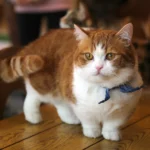
What Is a Munchkin Cat?
The Munchkin is a cat breed best known for one unmistakable trait: short legs. The result is a cat with a normal-sized body, head, and tail set on legs roughly a third shorter than a typical domestic cat’s. Despite the unusual silhouette, Munchkins are agile, energetic, and every bit as playful as longer-legged breeds — they just look a little different doing it.
Munchkins were first documented in the 1940s but weren’t officially recognized as a breed until The International Cat Association (TICA) accepted them in the mid-1990s. Some other major registries, including the Cat Fanciers’ Association, still don’t recognize the breed, largely due to ongoing debate over the health implications of the short-leg mutation — a topic worth understanding fully before bringing one home (more on that below).
| Quick Facts | |
|---|---|
| Origin | United States |
| Recognized by | TICA (not recognized by CFA or GCCF) |
| Life expectancy | 12–15 years |
| Weight | 6–9 lbs |
| Coat | Any color or pattern; short or long hair |
| Temperament | Playful, affectionate, curious |
| Good with kids/other pets | Generally yes |
Where the Short Legs Come From
The Munchkin’s short legs are caused by a naturally occurring genetic mutation affecting cartilage growth — the same general category of mutation responsible for short-legged dog breeds like Corgis and Dachshunds. It’s a dominant gene, meaning a kitten only needs to inherit one copy to have short legs. Munchkin-to-Munchkin breeding is generally avoided by responsible breeders, since two copies of the gene are believed to be non-viable.
There are actually three recognized leg lengths within the breed:
- Standard — the most common length, noticeably shorter than average but with the most mobility
- Super Short — legs closer to the body, less common
- Rug Hugger — the shortest variation, where the belly sits close to the ground
Appearance
Aside from the legs, Munchkins look like an ordinary medium-sized cat — the body, head, ears, and tail are all proportioned normally. They come in virtually every coat color and pattern, and both short-haired and long-haired varieties exist. Their proportionally normal torso combined with short legs gives them a low, elongated look that some owners compare to a cat-shaped dachshund.
Temperament
Munchkins are known for being outgoing, social, and highly food- and toy-motivated. Common traits owners report include:
- High energy — despite the legs, Munchkins run and play with just as much enthusiasm as other breeds
- Curiosity — they’re known for a habit of sitting up on their hind legs, meerkat-style, to get a better look at something
- Sociability — they tend to bond closely with their household and generally do well with children and other pets
- Playfulness that lasts — many Munchkins stay kitten-like in energy and behavior well into adulthood
Can Munchkin Cats Jump and Climb?
Yes — this is one of the most common misconceptions about the breed. Munchkins can jump onto furniture, climb cat trees, and navigate stairs without difficulty. They typically don’t jump quite as high as a long-legged cat might, and many owners find it helpful to add a step or ramp to taller furniture, but a healthy Munchkin is far from immobile.
Health Considerations
Because the short-leg trait is structural rather than purely cosmetic, Munchkins carry a somewhat higher chance of certain spinal and joint issues — most notably lordosis (spinal curvature) and pectus excavatum (a concave chest) — compared to the average cat. These conditions are far from guaranteed in any individual Munchkin, and most live full, healthy lives with no complications at all. For a full breakdown of symptoms to watch for and how to choose a healthy kitten, see our dedicated guide: Munchkin Cat Health: Common Issues & What to Watch For.
Caring for a Munchkin Cat
- Weight management — extra weight puts more strain on a Munchkin’s joints and spine than it would on a longer-legged cat, making healthy weight one of the most important things an owner can control
- Low furniture or steps — helpful but not required; many Munchkins manage fine without them
- Grooming — short-haired Munchkins need minimal grooming; long-haired varieties benefit from weekly brushing
- Diet — a standard, appropriately portioned cat diet is fine; no special dietary needs beyond weight control
- Routine vet care — regular checkups, vaccinations, dental care, and parasite prevention as with any cat
How Much Do Munchkin Cats Cost?
Munchkin kittens from a reputable breeder typically range from around $500 to $2,000+, with price varying based on leg length, coat, pedigree, and breeder reputation. Because the breed isn’t recognized by all major registries, pricing and availability can vary more than with more universally recognized breeds. Adoption through a rescue is usually far less expensive, though Munchkins are less commonly found in shelters than more common breeds.
Is a Munchkin Cat Right for You?
Munchkins tend to suit households looking for a playful, people-oriented cat that does well with kids and other pets. They’re a good fit for owners willing to be a little more attentive to weight management and joint health over the cat’s lifetime, and for anyone comfortable buying from a breeder who screens for lordosis and pectus excavatum rather than breeding purely for the shortest legs possible.
Frequently Asked Questions
Are Munchkin cats a recognized breed?
Yes, by TICA. Some other major registries, including the CFA, do not recognize the breed due to ongoing debate over the ethics and health implications of breeding for the short-leg trait.
Do Munchkin cats have health problems?
Most live healthy lives, but the breed carries a somewhat elevated risk of certain spinal and joint conditions. See our full health guide for details.
Are Munchkin cats good with kids?
Generally, yes. They’re known for being social, playful, and adaptable, which tends to make them a good match for active households.
How big do Munchkin cats get?
Munchkins typically weigh 6–9 lbs, similar to many other domestic breeds — it’s leg length, not overall size, that sets them apart.
Recommended Reading
Munchkin Cat Health: Common Issues & What to Watch For
Find a Munchkin Cat Near You
2 Responses to All About the Munchkin Cat: Everything You Need to Know