
Munchkin Cat: Breed Guide, Health Issues & What to Know
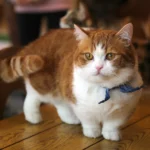
Understanding the Munchkin’s Genetics
The Munchkin’s defining trait — its short legs — comes from a naturally occurring genetic mutation that causes a form of dwarfism called achondroplasia. This is the same general type of mutation responsible for short-legged dog breeds like Corgis and Dachshunds. Because this trait affects bone growth, it’s the starting point for understanding most of the breed-specific health considerations Munchkin owners should be aware of.
It’s worth noting upfront: most Munchkins live full, active, healthy lives. But because the short-leg trait is structural, not just cosmetic, there are a handful of areas worth paying closer attention to compared to an average domestic cat.
Spinal and Joint Health
The most commonly discussed health consideration in Munchkins relates to their spine and joints:
- Lordosis. This refers to an excessive curvature of the spine. It’s relatively uncommon, but it’s specifically associated with the same genetic pathway responsible for the Munchkin’s short legs, so it’s worth knowing about even though most Munchkins never develop it.
- Pectus excavatum. A concave or sunken chest, which can occur in kittens of several breeds but has been noted at a slightly higher rate in Munchkins. Mild cases often cause no issues; more severe cases can affect breathing and may need veterinary monitoring.
- Osteoarthritis. Because a Munchkin’s short legs change how weight and movement are distributed through their joints, some Munchkins may be more prone to joint wear over time, particularly as they age.
None of these conditions are guaranteed or even common in any individual Munchkin — but responsible breeders screen for them, and it’s reasonable to ask a breeder directly about any history of these issues in their breeding lines.
Mobility and Everyday Life
Despite their short legs, Munchkins are typically just as active and playful as any other cat. They can run, play, and even jump — though generally not as high as long-legged breeds. A few practical considerations:
- Lower furniture and steps can make it easier for a Munchkin to reach favorite resting spots without repeated high jumps.
- Weight management matters more than usual. Extra weight puts more strain on a Munchkin’s joints and spine than it would on a longer-legged cat, so keeping a Munchkin at a healthy weight is one of the most meaningful things an owner can do for their long-term joint health.
- Regular, moderate play supports healthy muscle tone around the joints and spine without overexerting a cat whose body structure works a little differently than most.
General Health Beyond the Breed-Specific Traits
Outside of the leg-related considerations, Munchkins are otherwise considered a fairly healthy breed with no major known predisposition to the more serious hereditary conditions seen in some other purebred cats (such as the kidney disease common in Persians). Standard feline health care applies:
- Routine wellness checkups and vaccinations
- Dental care, which matters for every cat breed
- A balanced, appropriately portioned diet
- Regular parasite prevention
Signs to Watch For
Most Munchkins never experience any breed-specific health problems, but it’s worth knowing what to watch for:
- Difficulty jumping or reluctance to move that seems new or worsening
- Visible curvature or unusual shape along the spine
- Labored breathing or a visibly sunken chest area
- Limping, stiffness, or reduced activity, especially as a Munchkin ages
Any of these are worth a veterinary visit — most are manageable when caught early, and many Munchkins with mild versions of these traits live completely normal lives with no intervention needed at all.
Choosing a Healthy Munchkin
If you’re considering bringing home a Munchkin kitten, a few things can help stack the odds in favor of a healthy cat:
- Ask breeders directly about the health history of their breeding lines, including any history of lordosis or pectus excavatum
- Look for breeders who prioritize temperament and structural soundness, not just leg shortness
- Request to see the kitten move around — healthy, confident mobility is a good sign
- Schedule a veterinary checkup soon after adoption to establish a baseline and catch anything early
Frequently Asked Questions
Are Munchkin cats unhealthy because of their short legs?
Not inherently. Most Munchkins live full, active, healthy lives. The short-leg trait does come with a somewhat higher chance of certain spinal and joint issues compared to average cats, but these conditions are far from guaranteed or even common in any individual cat.
What is the most common health issue in Munchkin cats?
Joint and spinal considerations — including lordosis and pectus excavatum — are the most breed-specific concerns, though the majority of Munchkins never develop either condition.
Do Munchkin cats have a shorter lifespan?
Not typically. Munchkins generally have a lifespan comparable to other domestic cats, provided any breed-specific health considerations are properly managed.
Can Munchkin cats jump and play normally?
Yes. Munchkins are usually just as playful and active as other cats, though they may not jump quite as high as longer-legged breeds.
Recommended Reading
All About the Munchkin Cat: Everything You Need to Know
Manx Syndrome: What Every Manx Owner Should Know
The Lykoi Cat: Meet the “Werewolf Cat” Breed
Munchkin Cat Breeders: What to Know Before You Buy
4 Responses to Munchkin Cat: Breed Guide, Health Issues & What to Know